Publicado en abril 10, 2014
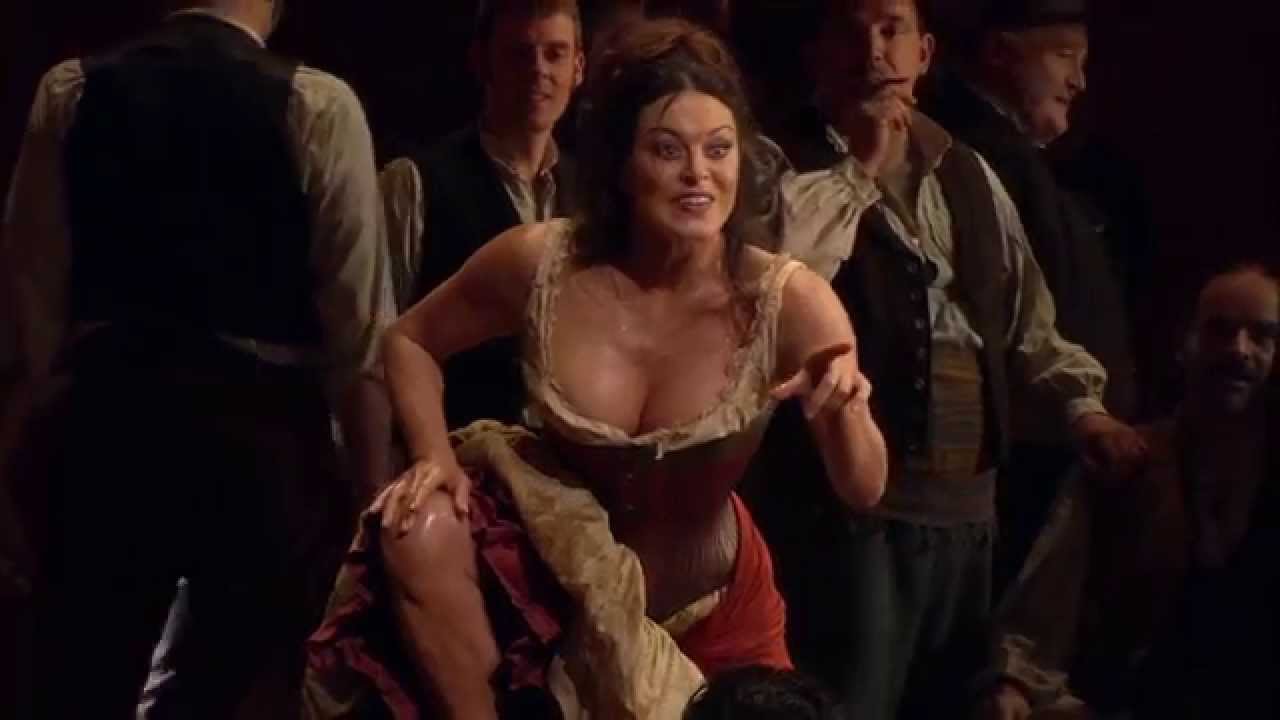
Angela Gheorghiu as Marguerite sings the Jewel Song from Act III of Gounod’s Faust.
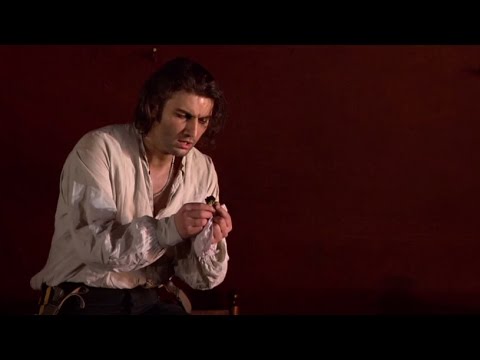
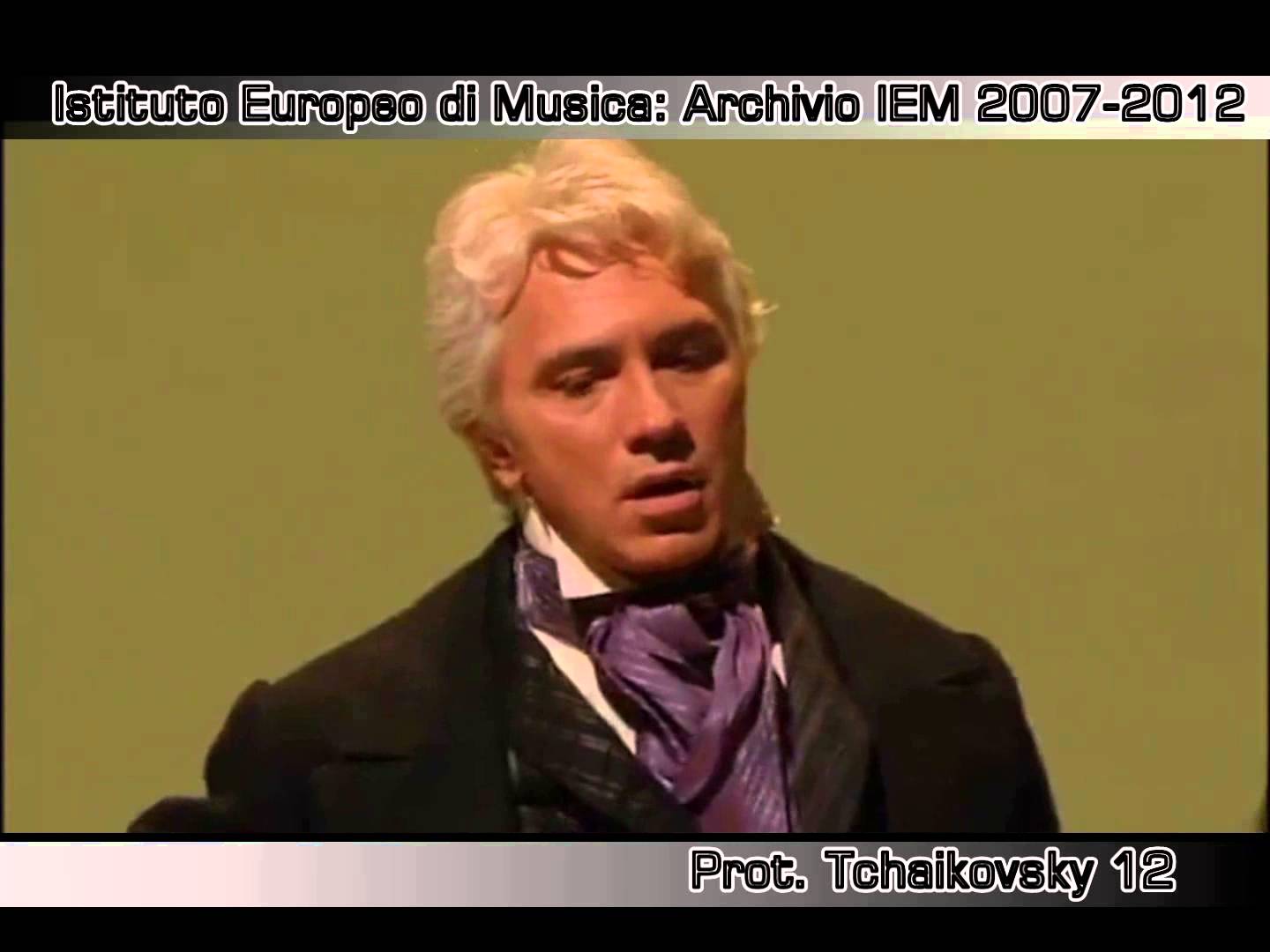
Charles-François Gounod’s Faust was once one of the most famous and most performed of all operas: en el Covent Garden se escuchó cada temporada entre 1863 y 1911. Jules Barbier and Michel Carré’s libretto is a tale of romance, tentación, y la antigua batalla entre los poderes satánicos y la religión. It is based on Carré’s play Faust et Marguerite, which in turn is based on Part I of Johann Wolfgang von Goethe’s dramatic poem Faust, una de las grandes obras de la literatura europea.
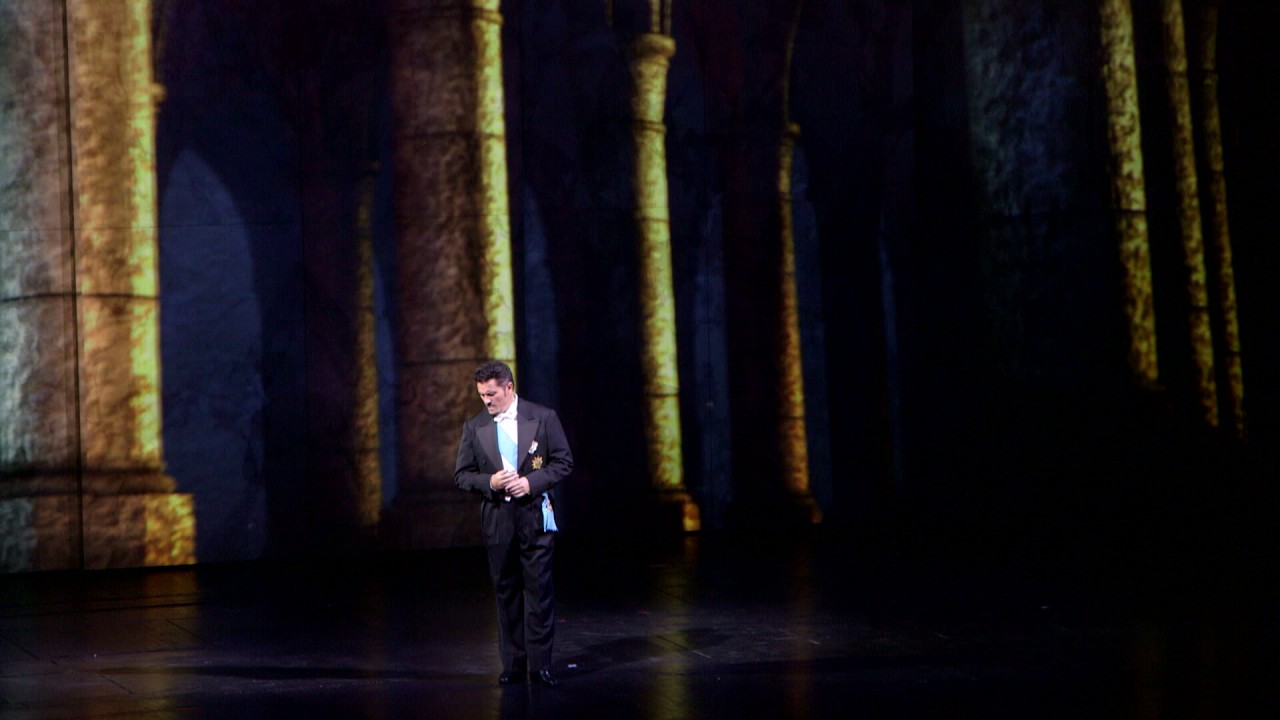
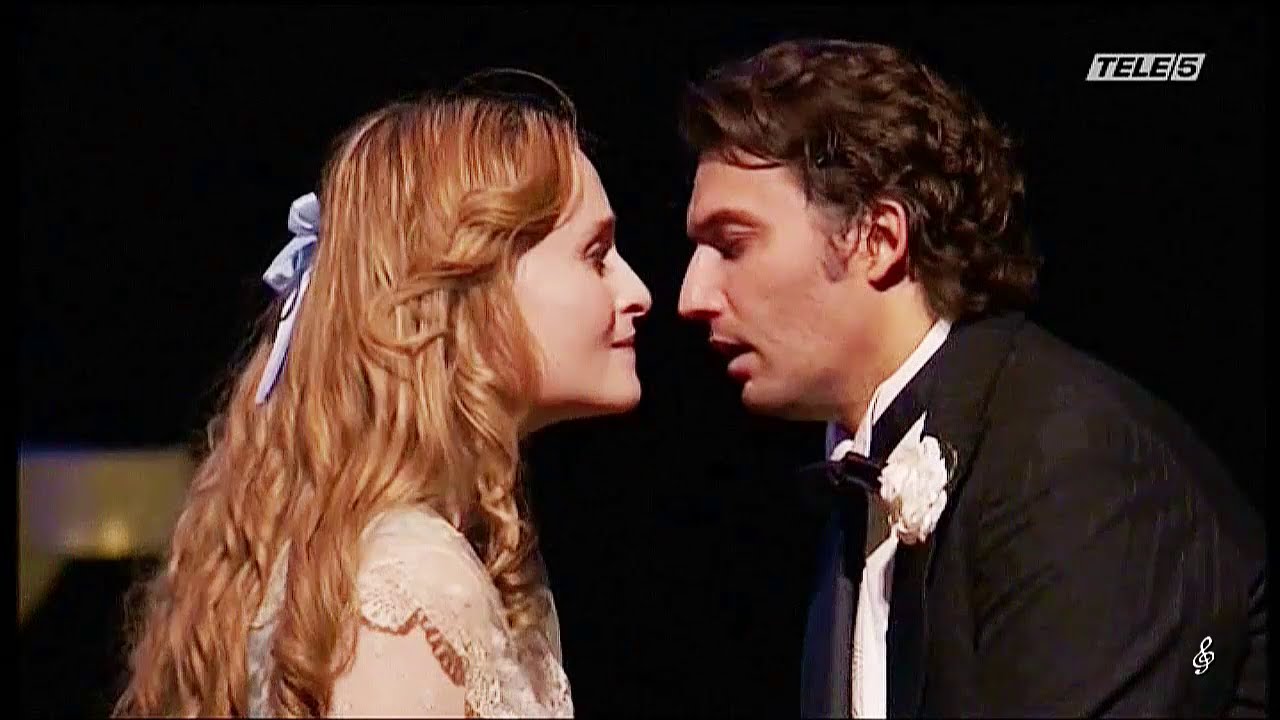
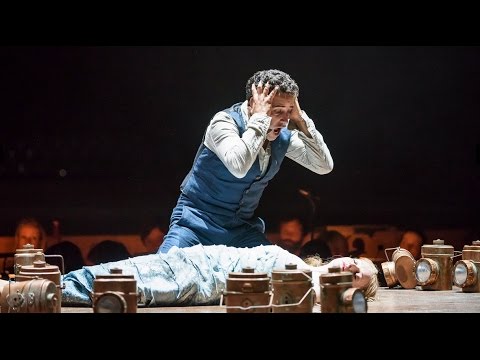
David McVicar’s lavish production, por primera vez en 2004, sets the action in the Paris of Gounod’s later years, en vísperas de la guerra franco-prusiana. Charles Edwards’s designs include a memorable Cabaret d’Enfer and an impressive reconstruction of the Church of Saint-Séverin. Ellos transmiten vívidamente el choque entre la religión y el entretenimiento hedonista, and provide a powerful backdrop to Gounod’s score. Faust contains much-loved musical highlights including the memorable Soldiers’ Chorus, Méphistophélès’s rowdy ‘Song of the Golden Calf’, and Marguerite’s Jewel Song with its dazzling coloratura. The opera’s final scene includes an impassioned trio between Faust, Marguerite and Méphistophélès, como lucha Marguerite para resistir la tentación y ganar la salvación.

 Agregar a los favoritos