DarkDancer06 ຈັດພີມມາສຸດເດືອນພຶດສະ 26, 2015
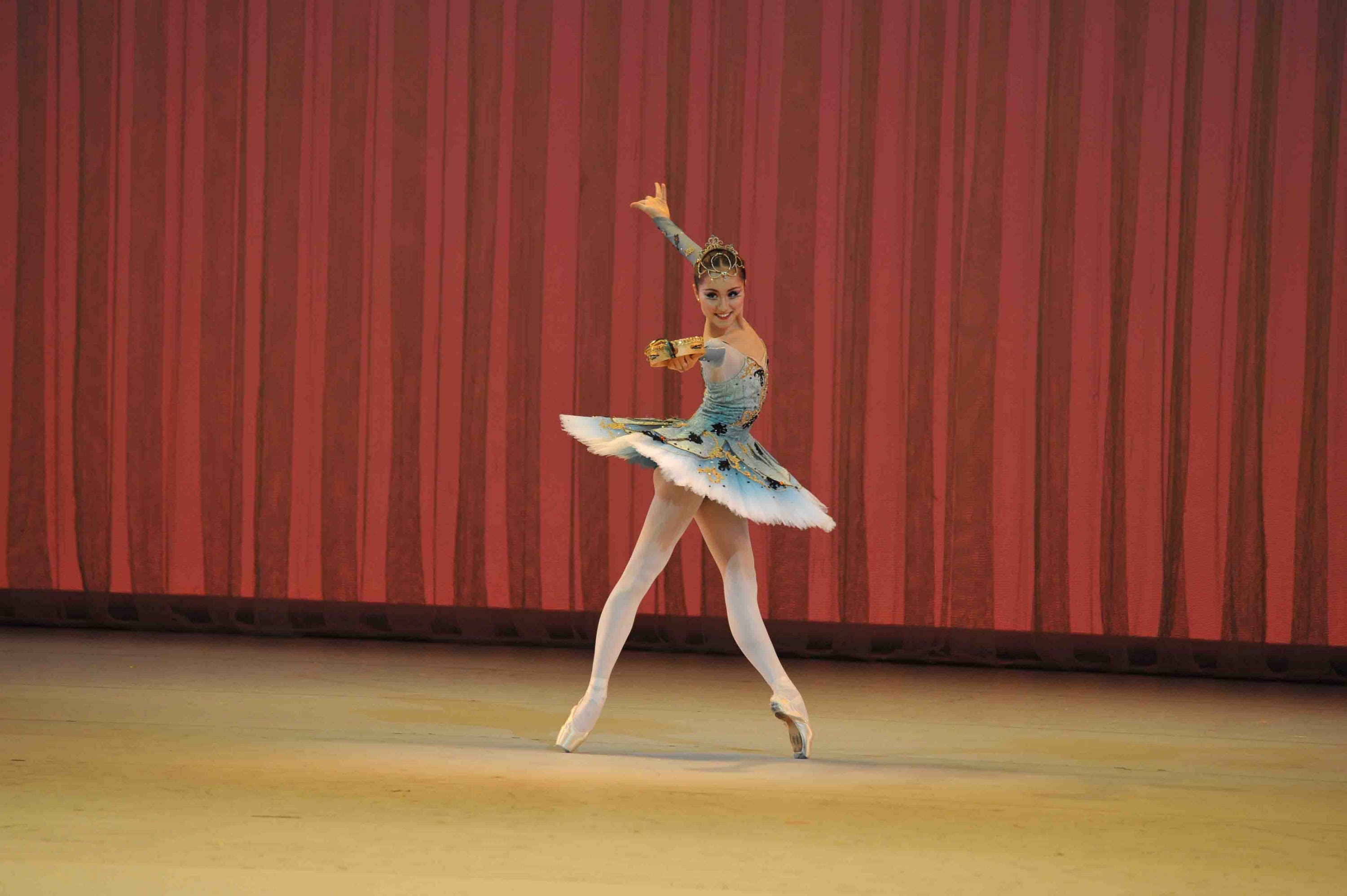
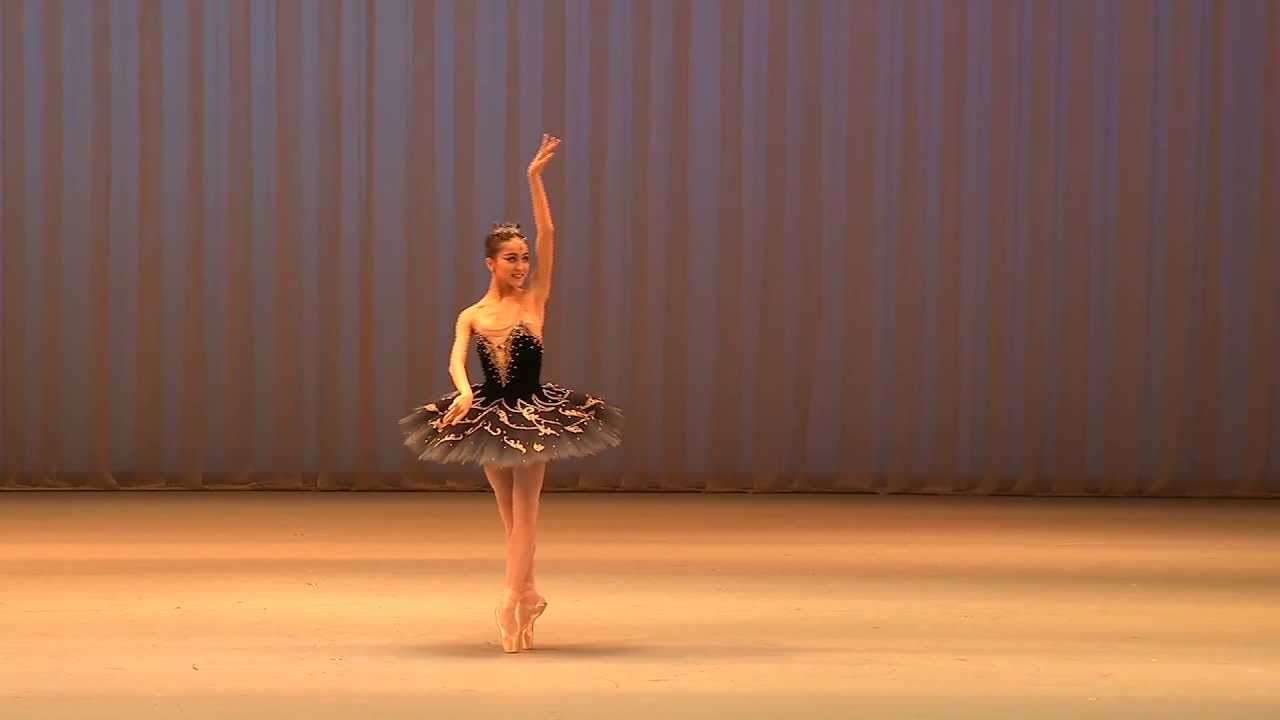
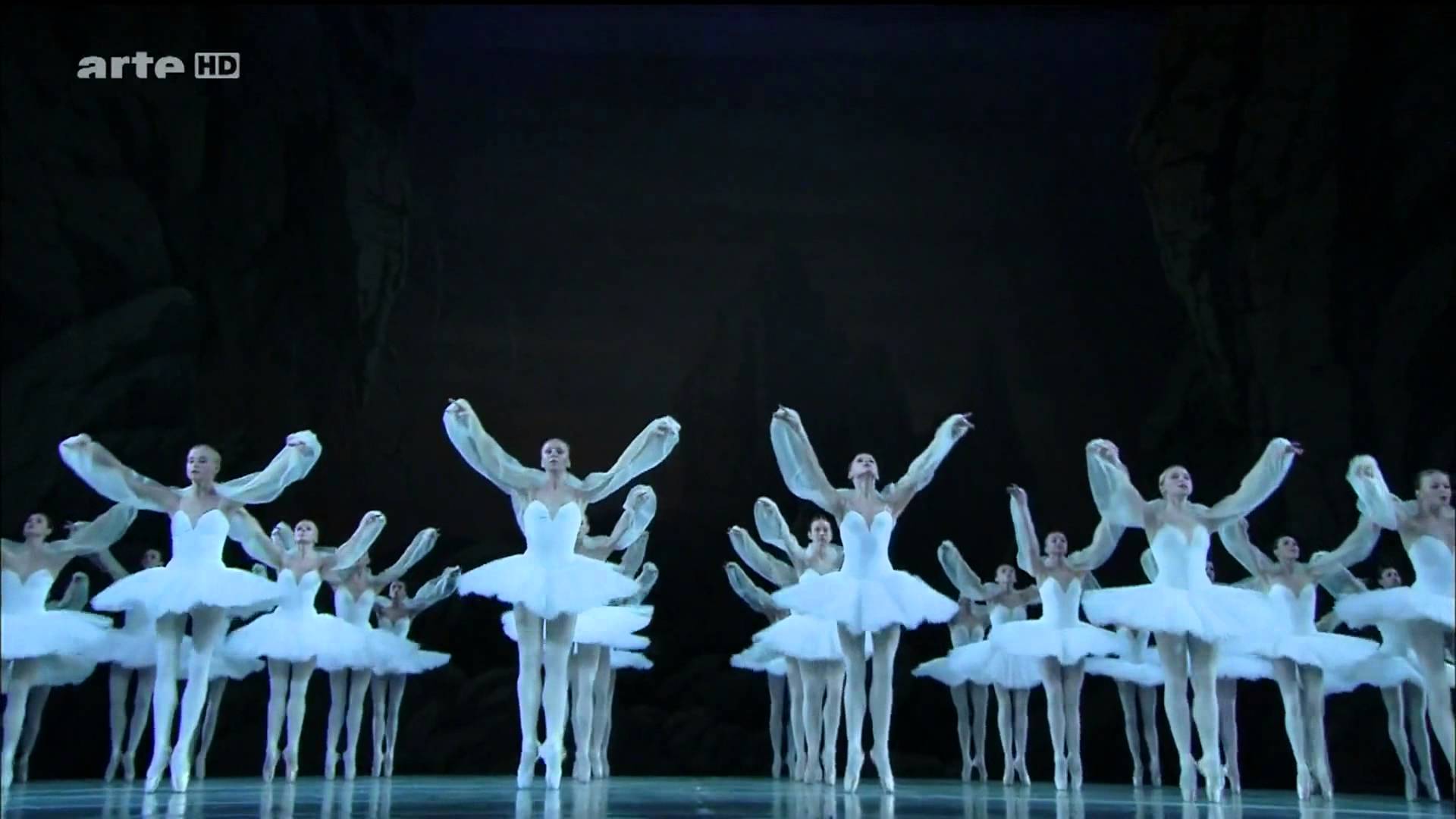
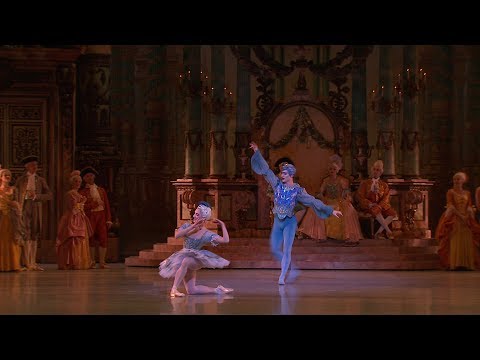
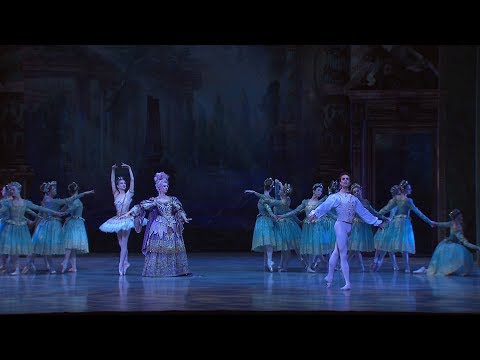
ຕໍ່ໄປນີ້ແມ່ນເບິ່ງການປຽບທຽບຂອງສາມ Solo ບ່ອນທີ່ມີຮົ່ມຈາກອານາຈັກຂອງ scene ບ່ອນທີ່ມີຮົ່ມຂອງກົດຫມາຍວ່າດ້ວຍທີສາມຂອງ “La Bayadère” – the traditional variations performed by Elizaveta Cheprasova, Yana Selina ແລະ Daria Vasnetsova ແລະການປ່ຽນແປງ notated ປະຕິບັດໂດຍ Leta Biasucci, Angelica Generosa ແລະ Carli Samuelson.
For those of who saw Sergei Vikharev’s 2001 ຟື້ນຟູບູລະ “La Bayadère”, you’ll probably notice that the notated variations were not the ones performed in that reconstruction. ນີ້ແມ່ນຍ້ອນວ່າ Vikharev ບໍ່ໄດ້ຂັ້ນຕອນຂອງການ 100% reconstructions ຂອງ “La Bayadère” ຫຼື “ນອນຄວາມງາມ” – he retained many of the Soviet changes in both productions, ໂດຍສະເພາະໃນ “La Bayadère”. ອານາຈັກຂອງ scene ບ່ອນທີ່ມີຮົ່ມທີ່ເຂົາໃຊ້ເປັນສະບັບພາສາ Soviet, not Petipa’s version.
ປາກົດຂື້ນ, ເຫດຜົນຕົ້ນຕໍ Vikharev ເກັບຮັກສາຈໍານວນຫຼາຍຂອງການປ່ຽນແປງຫະພາບໂຊວຽດໃນທັງ reconstructions ແມ່ນຍ້ອນວ່ານັກເຕັ້ນລໍາ Mariinsky ແລະເປັນຄູຝຶກສອນໄດ້ທັງຫມົດບໍ່ເຕັມໃຈທີ່ສຸດທີ່ຈະມີສ່ວນໄດ້ choreography Soviet, so the ballerinas announced “all the same, we’re going to dance what we’re used to!” In the end, poor Vikharev retained many of the Soviet changes because he very likely would’ve got nothing, but grief if he hadn’t; ອານາຈັກຂອງ scene ບ່ອນທີ່ມີຮົ່ມເປັນຕົວຢ່າງທີ່ນາຍົກລັດຖະຂອງທີ່ອອກແບບທ່າເຕັ້ນ notated ບໍ່ໄດ້ຮັບການຟື້ນຟູ. I feel so sorry for him – to do all that hard work and then have people just throw it back in your face like that; it’s so awful.
ແລ້ວ, the performances of the notated variations for the Three Shades is from one of Doug Fullington’s brilliant lectures held in New York, ໃນທີ່ທ່ານໄດ້ປະກອບຄືນໃຫມ່ສາກແລະ passages ເຕັ້ນຈາກ “Le Corsaire”, “King Candaules” ແລະ “La Bayadère”.
*The Three ບ່ອນທີ່ມີຮົ່ມ
The notated variations for the Three Shades are not the ones that would’ve been danced in the original 1877 ສະບັບ, ແຕ່ແທນທີ່ຈະແມ່ນຂອງ ballerinas ທີ່ເຕັ້ນໃຫ້ເຂົາເຈົ້າໃນ 1900 ການຟື້ນຟູແລະຜູ້ ballerinas ໄດ້ Varvara Rykhliakova, Agrippina Vaganova ແລະ Anna Pavlova. ແນ່ນອນວ່າມັນເປັນທີ່ຫນ້າສົນໃຈວິທີການການປ່ຽນແປງທີ່ມີການປ່ຽນແປງຫຼືຍັງຂ້ອນຂ້າງຄ້າຍຄືກັນໃນໄລຍະປີທີ່ຜ່ານມາ.
1. Varvara Rykhliakova – ການປ່ຽນແປງຂອງນາງໄດ້ more or less ມີການປ່ຽນແປງໂດຍ 50% ໃນໄລຍະປີທີ່ຜ່ານມາ; ມັນແມ່ນການທີສອງການປ່ຽນແປງຫຼາຍທີ່ສຸດຂອງການປ່ຽນແປງສາມ.
2. Agrippina Vaganova – her variation is the one that has changed far less over the years. This obviously must’ve been one of Vaganova’s favourite variations, ສະນັ້ນເພາະສະນັ້ນຈຶ່ງ, she didn’t change it very much. ເປັນທີ່ຫນ້າສົນ, Petipa didn’t like Vaganova as a dancer; ທຸກຄັ້ງທີ່ທ່ານໄດ້ກ່າວເຖິງຜົນງານຂອງນາງໃນ diaries ລາວ, he always calls them “awful” or “dreadful”. ປາກົດຂື້ນ, Vaganova ບໍ່ໄດ້ເກີດມາພ້ອມກັບພອນສະຫວັນຂອງທໍາມະຊາດແລະນາງໄດ້ຫຼາຍຕົນເອງ, ທີ່ສໍາຄັນ, ແຕ່ເຖິງຢ່າງໃດກໍ, the St Petersburg balletomanes and critics called her the “Queen of Variations”. ໃນຖານະເປັນ Doug ຊີ້ໃຫ້ເຫັນໃນການບັນຍາຍນີ້, her variation indicates that she must’ve been quite a jumper.
3. Anna Pavlova – her variation is the one that has changed the most over time, ມີຄວາມແຕກຕ່າງຢ່າງຈະແຈ້ງທີ່ສຸດກໍ່ຄືວ່າການປ່ຽນແປງຂອງນາງແມ່ນດັ້ງເດີມຫຼາຍໄວກ່ວາມັນເປັນໃນມື້ນີ້. Pavlova was one of Petipa’s favourite ballerinas and interestingly, ມັນແມ່ນພາລະບົດບາດຂອງ Nikiya ວ່າການສັກຢາຂອງນາງເພື່ອ fame ໄດ້. Petipa ໃຫ້ນາງມີບົດບາດໃນ 1902, ມີຫຼາຍຢ່າງທີ່ dismay ຂອງ Mathilde Kschessinskaya ໄດ້, who was not the type who liked to be upstaged in what she considered to be “her” roles. ຢ່າງໃດກໍຕາມ, ນາງຕົກລົງເຫັນດີເພື່ອໃຫ້ຄໍາແນະ Pavlova ໃນພາລະບົດບາດ, ຕົ້ນຕໍຍ້ອນວ່ານາງບໍ່ສາມາດເຕັ້ນນັບຕັ້ງແຕ່ນາງໄດ້ຖືພາໃນເວລາທີ່. Kschessinskaya ພິຈາລະນາ Pavlova ເປັນຄົນອ່ອນແອທາງດ້ານເຕັກນິກເພາະວ່າຂອງຮູບພາບແລະຂະຫນາດນ້ອຍຕີນອ່ອນແອຂອງນາງແລະແມ່ນແນ່ໃຈວ່າໄດ້ເຕັ້ນລໍາຊາວຫນຸ່ມຈະບໍ່ເປັນ Nikiya, ແຕ່ນາງໄດ້ຊີ້ໃຫ້ເຫັນຜິດພາດຫຼາຍ. Pavlova ໃຫ້ທຸກສິ່ງທຸກຢ່າງ Petipa ເຂົາເຈົ້າຕ້ອງການຢາກໃນ Nikiya ແລະເບິ່ງທາງດ້ານຮ່າງກາຍຂອງນາງອ່ອນແອພິສູດໄດ້ເຮັດວຽກສໍາລັບການພາລະບົດບາດ, ໂດຍສະເພາະໃນອານາຈັກຂອງ scene ບ່ອນທີ່ມີຮົ່ມ. ການສົນທະນາໄດ້ຫຼຸດລົງໃນຮັກທີ່ມີ ethereal Pavlova ແລະດັ່ງນັ້ນຈຶ່ງ, ເປັນ star ເກີດ. Nikiya ແມ່ນພາລະບົດບາດທີ່ຜ່ານມາວ່າ Pavlova danced ກັບການບໍາ Imperial ໃນ 1914.

 ການຫຼິ້ນ